 Coachmark
SEO and Content
How to build a local best-of guide that brings buyers to your inbox
A best-of guide for your town is the most shareable, link-worthy local content you can own. Here is how to build one that ranks and turns readers into leads.
July 10, 2026 · 8 min read
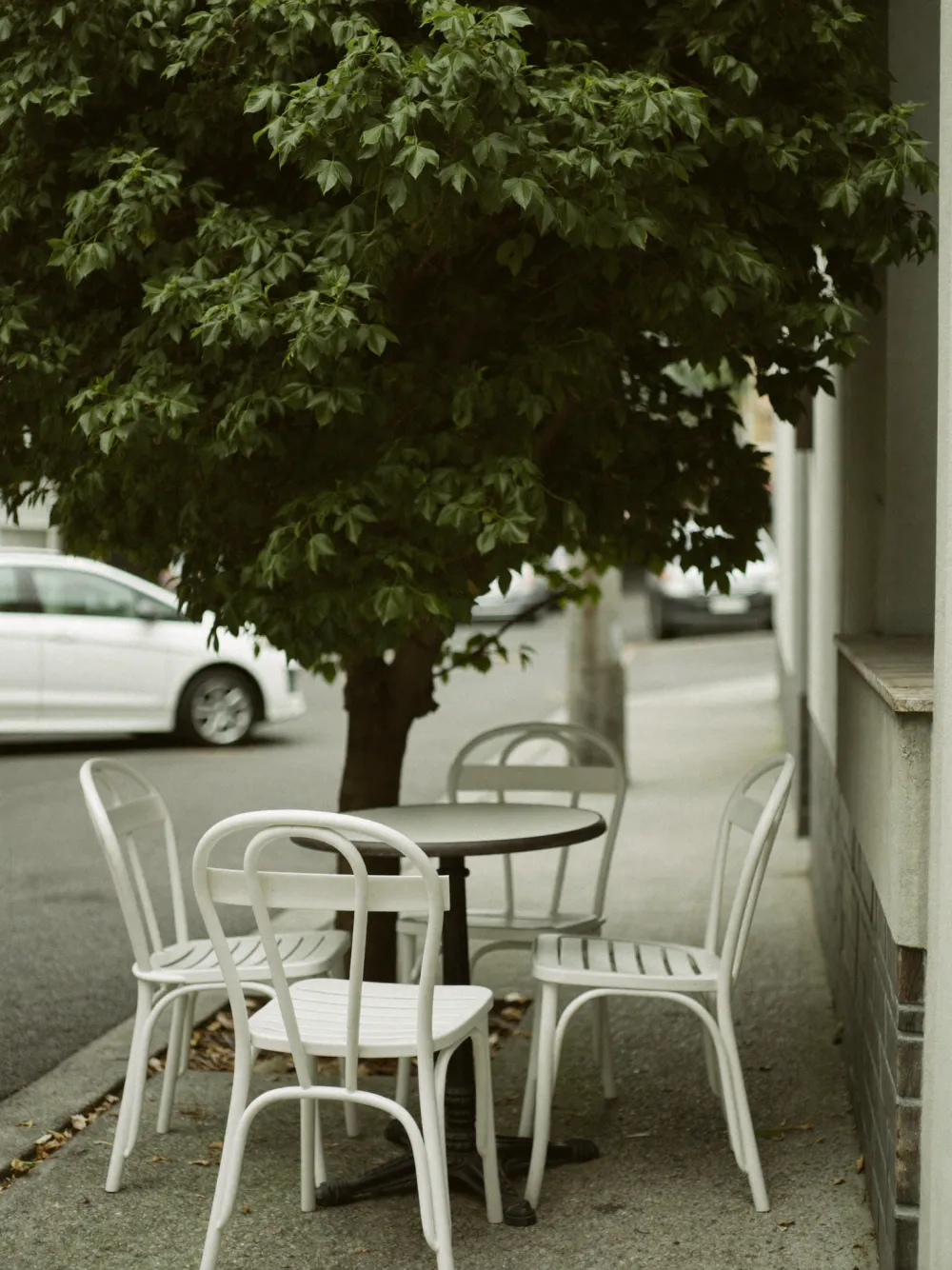
Most of the people moving to your town are doing their homework long before they ever talk to an agent. They are sitting on the couch at night with a phone, typing things like best coffee in your town, best parks, which schools are good, what is there to do on a weekend. They are trying to picture the life. And right now, the answers they find are written by a national site that has never set foot in the place, or by a list that is three years old and half wrong.
That is a gift sitting right in front of you. You know this town. You know which coffee shop is actually good and which one just has the best sign. You know the park that is empty on Saturday mornings and the one that is packed. A simple best-of guide, built with real local knowledge, is the kind of content that gets shared, gets linked to, ranks for the things people search before they buy, and quietly puts your name in front of a buyer months before they are ready to tour anything.
Why a best-of guide is the best local content marketing for realtors
Most agent content asks the reader for something. Get my home value, book a consultation, sign up for listings. That is fine, but it means almost nobody shares it, and almost nobody links to it. A best-of guide is the opposite. It gives something away that is genuinely useful, which is exactly why it travels. Someone moving to town sends it to their spouse. A local business owner you mentioned shares it with their followers on Facebook and Instagram. A neighborhood group posts it. Each of those is a link or a mention, and links and mentions are what tell Google you are a real local authority.
It also catches people at the exact right moment. The searches a best-of guide ranks for are early. Nobody types best coffee in town the week they close. They type it when they are still deciding whether they even want to live there. That is the buyer you want to meet first, before they have picked an agent, because the agent who is genuinely helpful at the picturing-the-life stage is the one they remember when it is time to act.
This is the same engine behind the neighborhood pages every agent should rank for, just pointed at a wider, warmer audience. Neighborhood pages catch the buyer who already knows the area. A best-of guide catches the one who is still falling in love with the town.
What makes a best-of guide genuinely useful, not generic
Here is the trap. The easy version of this guide is a list anyone could write. Top ten restaurants, ranked by their star rating, with a sentence pulled off their website. That guide is worthless. It ranks for nothing, gets shared by no one, and makes you look like every other agent who copied the same idea. The whole value is in the part a national site cannot fake, which is that you actually go to these places and you have an opinion.
Useful means specific. Not best breakfast spot, but the place that does the cinnamon roll that sells out by nine on Sundays, so go early. Not nice park, but the one with the shaded playground that parents of toddlers actually use in July. Specifics are proof you live there. They are also what makes someone trust you enough to reach out. The reader is not grading your prose. They are deciding whether you are a local who knows things or a stranger filling a page.
- Pick categories a person actually researches. Coffee, food, parks, schools, weekend things to do, where to take the kids, where to take out-of-town guests. Real questions a mover asks, not categories that just sound nice.
- Give a real reason for each pick. One honest sentence about why it made the list. The reason is the whole point. A name with no reason is a phone book.
- Be willing to have an opinion. The fearless honest pick is what gets shared. People trust a list that admits one place is overrated more than a list where everything is wonderful.
- Keep it current. A best-of guide that lists a restaurant that closed last year is worse than no guide. Put a date on it and refresh it twice a year.
A national site can list ten coffee shops. It cannot tell anyone which one to actually go to on a Tuesday morning. That sentence is the entire reason your guide wins.
How to make the guide rank and get found
A useful guide that nobody finds is a diary entry. A few simple habits make the difference between a page that ranks and a page that disappears, and none of them require you to become a search engine optimization expert. The biggest one you already have covered, which is that you are writing something genuinely better than what is out there.
Title the page the way people search. Best things to do in your town, or your town local guide from someone who lives here. Open with proof that you are local, the same way a good listing opens with the thing that sells the home. If you have not nailed that instinct yet, the listing description formula that sells is the same skill, lead with the specific, earn the trust, then make the ask. Inside the guide, link out to your neighborhood pages and your homes-for-sale pages so a reader who falls for the town has a clear path to the next thing.
Then go get the page in front of people. Post it to your Facebook and Instagram. Email it to past clients who are well connected. Tell the business owners you featured that you mentioned them, because most of them will happily share a guide that says nice things about their shop, and that share is a link you did not have to ask a stranger for. And make sure your Google Business Profile is set up well, because the same local signals that help it rank help your guide rank too. They feed each other.
The next step that turns a reader into a lead
This is where almost every agent leaves money on the table. They write a lovely guide, the reader enjoys it, the reader leaves, and nothing happens. Traffic that never converts is just a number you feel good about. The guide needs one clear, low-pressure next step that fits the moment the reader is in, which is curious, not ready to buy.
Do not end a best-of guide with book a consultation. That asks for a wedding on a first date. Ask for something small and useful instead. Offer a fuller new-mover guide they can get by email. Invite them to reply with a question about the town. Offer to send the one thing this guide left out, like the honest rundown of which neighborhoods fit which kind of buyer. The ask should feel like more of the same helpfulness, not a hard turn into a sales pitch.
- Make the ask match the curiosity. Early-stage reader, early-stage offer. A new-mover email guide, a single question answered, a quiet hello.
- Capture an email, not a phone number. A phone number feels like a commitment at this stage. An email feels like a newsletter, and most curious people will give it.
- Follow up like a human. When someone raises a hand, treat it as the start of a relationship, not a sale to close this week. The picturing-the-life buyer is months out, and the agent who stays kindly in touch is the one they call.
- Track which guide brings people in. When you know best coffee out-pulls best schools, you know which guide to build next.
A copy-and-fill skeleton for one best-of guide
You are not a writer, so do not start from a blank page. Start from a shape and fill it with what you already know. Here is the repeatable outline for a single best-of guide. Use the same shape every time and the writing stops being intimidating, because all you are doing is recommending places you already love to a friend who is new in town.
# H1: The Best of [Town]: A Local's Honest Guide for New Movers

INTRO (3 to 4 sentences):
  - Open with local proof. How long you have lived or sold here,
    a detail only a local would know, why you can be trusted on this.
  - Say who this is for: someone thinking about moving to [Town].

## Best coffee in [Town]
  - 2 to 3 picks. One honest sentence on why each made the list.

## Best places to eat
  - A range. The special-night spot, the casual one, the breakfast one.

## Best parks and outdoor spots
  - Include the practical detail (shade, parking, best time to go).

## Schools and what local parents actually think
  - Go past the rating number. Link out to: [Town] schools page.

## Best weekend things to do
  - The stuff that makes people fall for the town.

## Where to take out-of-town guests
  - The one-day tour you would give a visitor.

INTERNAL LINKS: at least 2 to your neighborhood
and homes-for-sale pages.

CALL TO ACTION (one only, low pressure):
  - Get my full new-mover guide by email, or
reply with any question about [Town].Fill that in honestly and you have a page no national site can match, because the national site cannot have an opinion about your coffee shop. You can. You have one because you go there. That single difference is why your guide gets shared, gets linked, and ranks, while the generic version sits on page four where nobody ever looks.
How this changes your year
Picture six months out. You have a best-of guide that quietly ranks, gets shared in a local group every few weeks, and drops a handful of curious new-mover emails into your inbox that cost you nothing. None of them are ready to buy today. Some of them will be, and when they are, you are already the helpful local who answered their question about the town before anyone else did.
The hard part was never the writing. You can recommend a coffee shop in your sleep. The hard part is doing one guide, getting it in front of people, and then following up with the curious readers week after week without quitting when no single email feels urgent. That steady, unglamorous cadence is the whole reason Coachmark exists. You already know your town better than anyone moving to it. Now go put that on a page and let it bring them to you.