
All posts

Content and Copy

The open house follow-up email that gets replies (steal this template)

Most open house follow-ups are a generic thanks-for-coming that gets ignored. A short, specific, low-pressure email gets replies. Steal the template.

July 13, 2026 · 8 min read
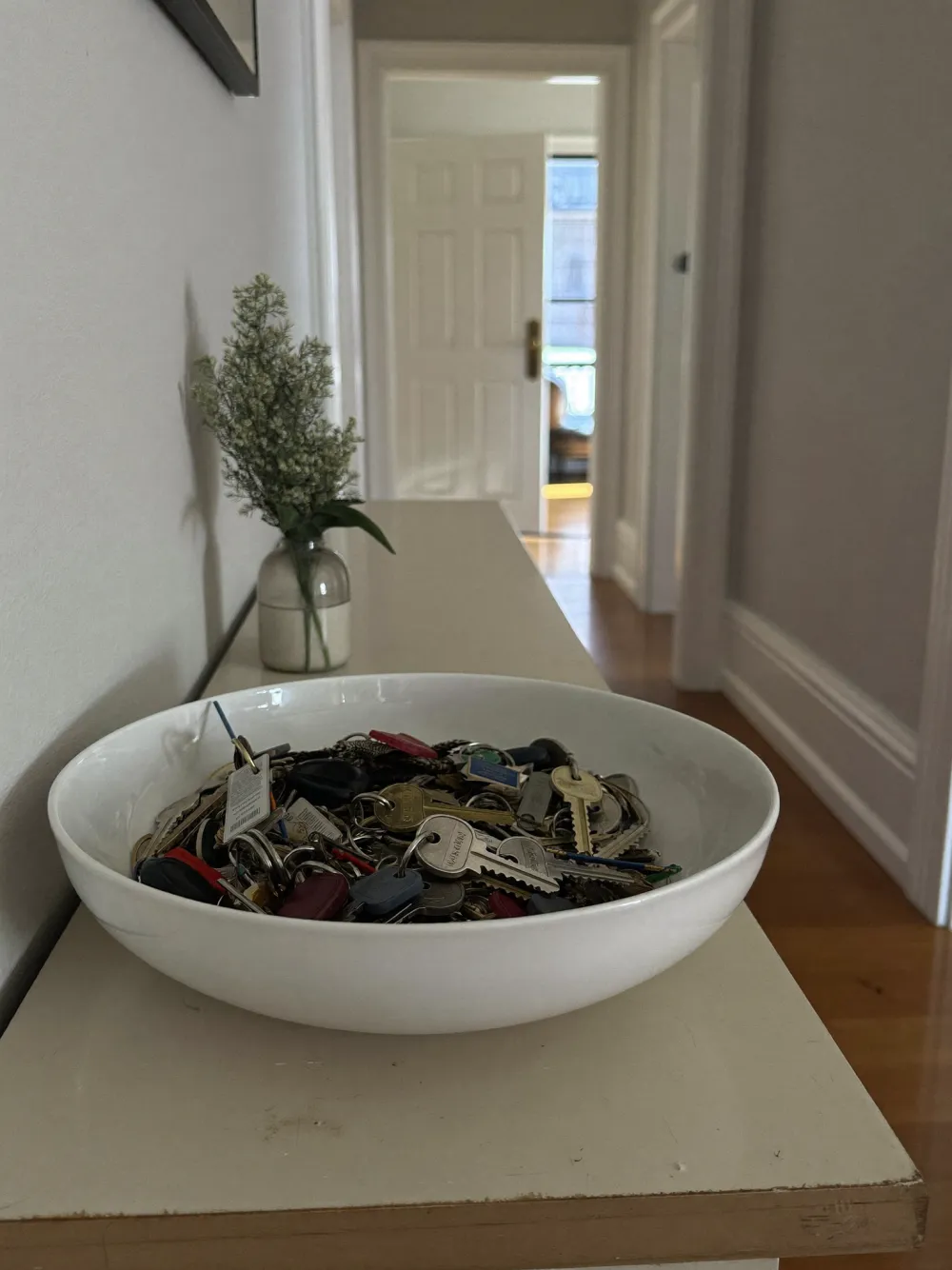

You ran a great open house. Twenty people through the door, a stack of sign-in sheets, two or three folks who actually lingered and asked real questions. Then Monday comes, you sit down to follow up, and you send everybody the exact same email. Thank you for coming to my open house this weekend! Please let me know if you have any questions. And then you wonder why nobody replies. The email is not the problem because it is rude. It is the problem because it is forgettable. It could have come from any agent, about any house, to any visitor. There is nothing in it for the person to answer.

Here is the good news. The fix is not more emails or a fancier tool. The fix is one short, specific, low-pressure message that references the actual home, hands over one useful thing, and asks one easy question. That is the whole open house follow up email. This post shows you a weak version and a strong version, walks every line so you understand why it works, and shows you how to send it fast while the visit is still fresh in their mind.

Why the generic open house follow up email gets ignored

Put yourself in the visitor's shoes. They spent their Saturday afternoon walking through three or four houses. By Monday the homes are blurring together. They cannot remember which one had the great kitchen and which one had the weird basement. Then a thank-you email lands that does not name the house, does not mention anything they actually saw, and ends with a vague open door of "any questions?" There is nothing to grab onto. So they do nothing. Not because they are not interested, but because the email gave them no reason and no easy way to respond.

A generic follow up also quietly tells the buyer something you do not want it to tell them. It says you send the same thing to everyone, which means you are not really paying attention to them. People reply to people who seem to see them. The agent who writes "the house on Maple with the screened porch you liked" feels like a person who remembers. The agent who writes "my open house" feels like a mailing list. That gap is the whole reason your open house follow up email does or does not get a reply.

A follow-up that could have been sent to anyone gets answered by no one. Specific is what earns the reply.

The three things a follow up email needs to do

Forget length. A strong open house follow up message can be four sentences. What matters is that it does three jobs, in order. Miss one and the reply rate drops.

  • Reference the actual home. Name the street, the standout feature, or the thing they commented on. This is the line that proves you remember them and pulls the right house back into their head.
  • Give one useful thing. Attach the floor plan, the disclosure, a comparable that just sold nearby, the school ratings, anything they would have to go find themselves. You are being helpful before you ask for anything.
  • Ask one easy question. A single question they can answer in five seconds, with no commitment. Not "are you ready to make an offer." Something like "was this one in your range, or are you looking a little higher or lower?"

Notice what is not on that list. No paragraph about your years of experience. No menu of services. No three calls to action stacked on top of each other. One reference, one gift, one question. The discipline is the same as a good listing description, where the structure does the work so you do not have to manufacture energy. If you have read the listing description formula, this will feel familiar. Pick the few things that matter, leave the rest out.

The weak version (and why every line falls flat)

Here is the email most agents actually send. Read it the way a tired buyer would on a Monday morning.

Hi! Thank you so much for coming to my open house this weekend. It was great to meet you! I would love to help you find your dream home. I have many years of experience in this market and would be happy to set up a buyer consultation at your convenience. Please don't hesitate to reach out with any questions. Looking forward to hearing from you!

Every line is doing the wrong job. "My open house" names nothing, so the buyer cannot tell which house this is about. "I would love to help you find your dream home" is about you, not them. "Many years of experience" is a brag they did not ask for. "A buyer consultation" is a big ask dropped on someone who has not even decided they like the house yet. And "any questions" puts all the work on them. There is no question for them to answer, so the easiest move is to close the tab. The email is polite and completely skippable.

The strong version, walked line by line

Now the same situation, written to get a reply. Imagine they visited a house on Maple Street and mentioned they loved the screened porch.

Hi Sarah, it was good to meet you at the open house on Maple Street on Saturday. You mentioned you loved that screened porch, and honestly it was my favorite part too. I pulled the floor plan and the two most recent sales on that block so you can see how the home is priced, both attached. One quick question so I send you the right stuff going forward: was Maple Street about your range, or are you looking a little higher or lower? No rush, just want to be useful instead of noisy.

Look at what each piece is doing. "The open house on Maple Street on Saturday" names the exact home and day, so there is zero confusion about which house this is. "You loved that screened porch" proves you listened, and agreeing with them builds an easy bit of rapport. "I pulled the floor plan and the two most recent sales" hands over something genuinely useful that they would otherwise have to dig up. "One quick question" signals it will be fast. The question itself is about price range, which almost everyone has an opinion on and can answer in one line. And "no rush, just want to be useful instead of noisy" lowers the pressure so far that replying feels safe.

That last line matters more than it looks. A lot of buyers do not reply because they are afraid one response unleashes a flood of pushy calls. When you explicitly tell them you are trying not to be noisy, you remove the fear. You are giving them permission to engage on their terms. That single sentence often does more for your reply rate than anything else in the email.

Send it fast, while the visit is still fresh

Specificity has a short shelf life. The screened porch is vivid in their mind Saturday night. By Wednesday it is gone, blended into every other house they saw. So the same email that gets a reply on Saturday evening gets a shrug by midweek. Speed is not about being eager, it is about catching the memory before it fades. Aim to send within a few hours of the open house, or that same night at the latest.

The way to send fast is to not write from scratch. Build the template once, then fill three blanks per person right after the open house. As people sign in and chat, jot a two-word note next to each name on the sign-in sheet: the street, the feature they reacted to, and roughly what they want. That is all you need to personalize. Three quick fills and the email is done. The blank page is what makes follow up feel like a chore and pushes it to next week, where it dies. Take away the blank page and the whole thing takes a few minutes.

One email is also not the finish line. Most deals come from the second, third, and fourth touch, not the first. The strong follow up just earns you the right to keep showing up. If you do not have a rhythm for those later touches, that gap is exactly the follow-up gap costing you deals, and the fix is a simple repeatable sequence like an 8-touch follow-up system for leads so nobody falls through the cracks after the open house.

The fill-in open house follow up email template

Here is the whole thing as a template you can paste into your notes app or your email tool tonight. Replace the blanks per person and send. Keep it to four or five sentences. The moment it starts growing into a pitch, cut it back.

open-house-followup.txt
Subject: Quick follow-up on [STREET NAME]

Hi [FIRST NAME],

It was good to meet you at the open house on [STREET NAME] on [DAY].
You mentioned you liked [THING THEY REACTED TO], and that stood out to me too.

I pulled [ONE USEFUL THING: floor plan / recent nearby sales /
school ratings / disclosure] so you have it handy, attached.

One quick question so I send you the right things going forward:
was [STREET NAME] about your range, or are you looking
a little higher or lower?

No rush at all. I just want to be useful instead of noisy.

[YOUR NAME]
[YOUR PHONE]
Fill the blanks from the two-word notes on your sign-in sheet, then send the same night. If it reads like a person who remembers them, you are done.

Two rules for running it. First, the question at the end has to be genuinely easy. If a stranger would need to think hard or commit to something to answer it, you picked the wrong question. Price range, timeline, and number of bedrooms are all safe. "Ready to make an offer" is not. Second, send a different useful thing to different visitors based on what they cared about. The young couple wanting space gets the floor plan. The buyer worried about price gets the recent sales. Matching the gift to the person is what makes the email feel made for them.

That is the whole move. A specific opening, one useful thing, one easy question, sent fast and low-pressure. It is the same idea behind how Coachmark thinks about your day in general: decide the simple repeatable shape once, then just run it on every lead instead of reinventing it tired on a Monday. Try the template on your next open house. Then look at the old thanks-for-coming version next to it. You already know which one gets answered.

# The open house follow-up email that gets replies (steal this template)

> Most open house follow-ups are a generic thanks-for-coming that gets ignored. A short, specific, low-pressure email gets replies. Steal the template.

Content and Copy · 2026-07-13 · 8 min read

You ran a great open house. Twenty people through the door, a stack of sign-in sheets, two or three folks who actually lingered and asked real questions. Then Monday comes, you sit down to follow up, and you send everybody the exact same email. **Thank you for coming to my open house this weekend! Please let me know if you have any questions.** And then you wonder why nobody replies. The email is not the problem because it is rude. It is the problem because it is forgettable. It could have come from any agent, about any house, to any visitor. There is nothing in it for the person to answer.

Here is the good news. The fix is not more emails or a fancier tool. The fix is one short, specific, low-pressure message that references the actual home, hands over one useful thing, and asks one easy question. That is the whole open house follow up email. This post shows you a weak version and a strong version, walks every line so you understand why it works, and shows you how to send it fast while the visit is still fresh in their mind.

## Why the generic open house follow up email gets ignored

Put yourself in the visitor's shoes. They spent their Saturday afternoon walking through three or four houses. By Monday the homes are blurring together. They cannot remember which one had the great kitchen and which one had the weird basement. Then a thank-you email lands that does not name the house, does not mention anything they actually saw, and ends with a vague open door of "any questions?" There is nothing to grab onto. So they do nothing. Not because they are not interested, but because the email gave them no reason and no easy way to respond.

A generic follow up also quietly tells the buyer something you do not want it to tell them. It says you send the same thing to everyone, which means you are not really paying attention to them. People reply to people who seem to see them. The agent who writes "the house on Maple with the screened porch you liked" feels like a person who remembers. The agent who writes "my open house" feels like a mailing list. That gap is the whole reason your open house follow up email does or does not get a reply.

> A follow-up that could have been sent to anyone gets answered by no one. Specific is what earns the reply.

## The three things a follow up email needs to do

Forget length. A strong open house follow up message can be four sentences. What matters is that it does three jobs, in order. Miss one and the reply rate drops.

- **Reference the actual home.** Name the street, the standout feature, or the thing they commented on. This is the line that proves you remember them and pulls the right house back into their head.
- **Give one useful thing.** Attach the floor plan, the disclosure, a comparable that just sold nearby, the school ratings, anything they would have to go find themselves. You are being helpful before you ask for anything.
- **Ask one easy question.** A single question they can answer in five seconds, with no commitment. Not "are you ready to make an offer." Something like "was this one in your range, or are you looking a little higher or lower?"

Notice what is not on that list. No paragraph about your years of experience. No menu of services. No three calls to action stacked on top of each other. One reference, one gift, one question. The discipline is the same as a good listing description, where the structure does the work so you do not have to manufacture energy. If you have read [the listing description formula](/blog/listing-description-formula-that-sells), this will feel familiar. Pick the few things that matter, leave the rest out.

## The weak version (and why every line falls flat)

Here is the email most agents actually send. Read it the way a tired buyer would on a Monday morning.

> Hi! Thank you so much for coming to my open house this weekend. It was great to meet you! I would love to help you find your dream home. I have many years of experience in this market and would be happy to set up a buyer consultation at your convenience. Please don't hesitate to reach out with any questions. Looking forward to hearing from you!

Every line is doing the wrong job. "My open house" names nothing, so the buyer cannot tell which house this is about. "I would love to help you find your dream home" is about you, not them. "Many years of experience" is a brag they did not ask for. "A buyer consultation" is a big ask dropped on someone who has not even decided they like the house yet. And "any questions" puts all the work on them. There is no question for them to answer, so the easiest move is to close the tab. The email is polite and completely skippable.

## The strong version, walked line by line

Now the same situation, written to get a reply. Imagine they visited a house on Maple Street and mentioned they loved the screened porch.

> Hi Sarah, it was good to meet you at the open house on Maple Street on Saturday. You mentioned you loved that screened porch, and honestly it was my favorite part too. I pulled the floor plan and the two most recent sales on that block so you can see how the home is priced, both attached. One quick question so I send you the right stuff going forward: was Maple Street about your range, or are you looking a little higher or lower? No rush, just want to be useful instead of noisy.

Look at what each piece is doing. "The open house on Maple Street on Saturday" names the exact home and day, so there is zero confusion about which house this is. "You loved that screened porch" proves you listened, and agreeing with them builds an easy bit of rapport. "I pulled the floor plan and the two most recent sales" hands over something genuinely useful that they would otherwise have to dig up. "One quick question" signals it will be fast. The question itself is about price range, which almost everyone has an opinion on and can answer in one line. And "no rush, just want to be useful instead of noisy" lowers the pressure so far that replying feels safe.

That last line matters more than it looks. A lot of buyers do not reply because they are afraid one response unleashes a flood of pushy calls. When you explicitly tell them you are trying not to be noisy, you remove the fear. You are giving them permission to engage on their terms. That single sentence often does more for your reply rate than anything else in the email.

## Send it fast, while the visit is still fresh

Specificity has a short shelf life. The screened porch is vivid in their mind Saturday night. By Wednesday it is gone, blended into every other house they saw. So the same email that gets a reply on Saturday evening gets a shrug by midweek. Speed is not about being eager, it is about catching the memory before it fades. Aim to send within a few hours of the open house, or that same night at the latest.

The way to send fast is to not write from scratch. Build the template once, then fill three blanks per person right after the open house. As people sign in and chat, jot a two-word note next to each name on the sign-in sheet: the street, the feature they reacted to, and roughly what they want. That is all you need to personalize. Three quick fills and the email is done. The blank page is what makes follow up feel like a chore and pushes it to next week, where it dies. Take away the blank page and the whole thing takes a few minutes.

One email is also not the finish line. Most deals come from the second, third, and fourth touch, not the first. The strong follow up just earns you the right to keep showing up. If you do not have a rhythm for those later touches, that gap is exactly [the follow-up gap costing you deals](/blog/the-follow-up-gap-costing-you-deals), and the fix is a simple repeatable sequence like an [8-touch follow-up system for leads](/blog/8-touch-follow-up-system-for-leads) so nobody falls through the cracks after the open house.

## The fill-in open house follow up email template

Here is the whole thing as a template you can paste into your notes app or your email tool tonight. Replace the blanks per person and send. Keep it to four or five sentences. The moment it starts growing into a pitch, cut it back.

```open-house-followup.txt
Subject: Quick follow-up on [STREET NAME]

Hi [FIRST NAME],

It was good to meet you at the open house on [STREET NAME] on [DAY].
You mentioned you liked [THING THEY REACTED TO], and that stood out to me too.

I pulled [ONE USEFUL THING: floor plan / recent nearby sales /
school ratings / disclosure] so you have it handy, attached.

One quick question so I send you the right things going forward:
was [STREET NAME] about your range, or are you looking
a little higher or lower?

No rush at all. I just want to be useful instead of noisy.

[YOUR NAME]
[YOUR PHONE]
```

_Fill the blanks from the two-word notes on your sign-in sheet, then send the same night. If it reads like a person who remembers them, you are done._

Two rules for running it. First, the question at the end has to be genuinely easy. If a stranger would need to think hard or commit to something to answer it, you picked the wrong question. Price range, timeline, and number of bedrooms are all safe. "Ready to make an offer" is not. Second, send a different useful thing to different visitors based on what they cared about. The young couple wanting space gets the floor plan. The buyer worried about price gets the recent sales. Matching the gift to the person is what makes the email feel made for them.

That is the whole move. A specific opening, one useful thing, one easy question, sent fast and low-pressure. It is the same idea behind how [Coachmark](/#how-it-works) thinks about your day in general: decide the simple repeatable shape once, then just run it on every lead instead of reinventing it tired on a Monday. Try the template on your next open house. Then look at the old thanks-for-coming version next to it. You already know which one gets answered.

---

Coachmark · https://coachmark.io