 Coachmark
Growth and Retention
Build a referral engine without feeling pushy: the 3-ask framework
Referrals are your best business, but asking feels awkward. A simple 3-ask framework that makes the ask natural, with the exact words to use each time.
August 7, 2026 · 8 min read
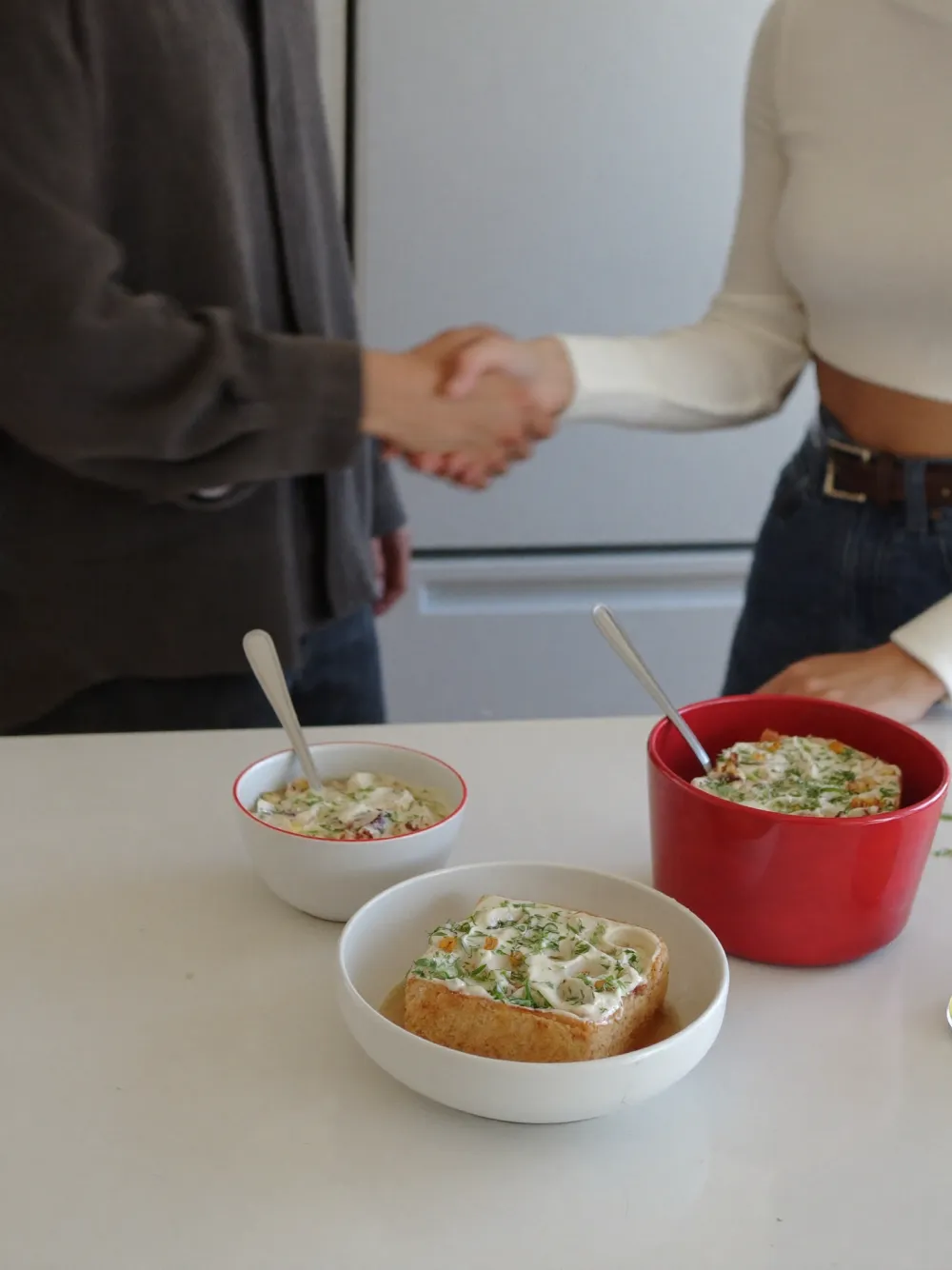
You already know the truth here. Referrals are the best business you will ever get. They close faster, they argue less, they trust you before they meet you, and they cost you nothing in ad spend. Every agent who has been at this a while will tell you their best year was a referral year. And yet most agents, including the good ones, almost never ask. They hope. They hint. They wait for it to happen on its own. This post is about why the asking feels so awkward, and a simple framework that fixes it.
The framework is three asks. Not three scripts you memorize and dread, but three moments, each with its own purpose and its own words. Set the expectation early so it never comes out of nowhere. Ask at the emotional high point, when the good feeling is doing the work for you. And make the ask specific enough that the person actually knows what to do with it. Get those three right and asking stops feeling like begging and starts feeling like part of the job.
Why asking feels pushy, and why that feeling is lying to you
Let me name the thing you are actually feeling, because naming it takes most of its power away. When you imagine asking a client for a referral, you picture a used-car energy. You picture yourself tacking a needy little request onto the end of a nice relationship, and you flinch. So you do not ask. You tell yourself you do not want to seem desperate, and you move on.
Here is what is really going on. It feels pushy because of how and when most agents ask, not because asking is wrong. The pushy version is a cold, generic, badly timed request: a mass text that says please send me referrals to a client who closed four months ago and barely remembers the experience. Of course that feels gross. It feels gross because it is all about you and it lands at a moment when the person feels nothing.
Asking the right way, at the right moment, in the right words, does not feel like that at all. A great referral ask is a gift, not a grab. You are giving someone you helped a chance to be a hero to a friend who needs exactly what you do well. People love connecting people. The awkwardness was never about the ask. It was about getting the timing and the words wrong, and that is fixable.
Nobody resents being asked to help a friend. They resent being treated like a lead generator. The whole game is making sure the person on the other end feels like the former.
The 3-ask framework that makes a real estate referral system feel natural
A referral engine is not one perfectly worded request. It is three small asks placed at three different points in the relationship, each doing a different job. Skip any one of them and the whole thing feels forced. Run all three and referrals start showing up because you built the conditions for them, not because you got lucky.
Ask one: set the expectation early, before you have earned anything
The first ask is not really an ask at all. It is a quiet seed you plant at the very start of working together, long before there is anything to ask for. You simply tell the client, plainly and warmly, how your business works. You let them know that most of your clients come from people just like them, and that doing great work and earning their introductions is the whole plan.
This matters because it removes the surprise later. When you ask for a referral at closing, it does not come out of nowhere, because you told them on day one that this is how you operate. You set the expectation, so the later ask feels like keeping a promise instead of springing a favor. Say it like a real person, early: I want to be upfront about how I work. I do not buy a ton of ads. Most of my business comes from clients who had a good experience and pointed a friend my way. So my whole job is to take such good care of you that you would feel great introducing me. That is the plan.
Ask two: ask at the emotional high point, when the win is fresh
The second ask is the real one, and timing is everything. You do not ask when it is convenient for you. You ask at the emotional high point, the moment the client is happiest. That is keys-in-hand at the closing table. That is the day they got the offer accepted on the home they thought they would lose. That is the text that says we are so happy, thank you for everything. When the good feeling is fresh, the ask rides on it.
Most agents miss this window completely. They are exhausted at closing too, they move on to the next file, and three weeks later the warmth has cooled and asking feels heavy again. Do not wait. Right there in the high moment, while you are both smiling, say it: This was honestly the best part of my month. If you ever hear a friend say they are thinking about buying or selling, I would love for you to send them my way. I will take care of them exactly the way I took care of you. You are not interrupting a happy moment. You are extending it.
Ask three: make it specific and easy to act on
The third ask is about removing friction. Most referral asks fail not because the person does not want to help, but because they do not know how. Send me referrals is a vague request that asks the other person to do all the thinking. A specific ask does the thinking for them and makes saying yes almost effortless.
So instead of asking the whole world for anyone, point at one likely person and hand them an easy next step. Specific beats broad every time: Is there one person in your life you could see moving in the next year or so? A coworker who keeps complaining about renting, a friend whose family is outgrowing their place? If anyone comes to mind, just send them my number, or send me theirs and I will reach out gently. No pressure on them at all. You gave them a category to scan their memory for, and a one-tap way to act. That is what turns goodwill into an actual introduction.
Where the referral engine quietly breaks: the months in between
Here is the part almost everyone skips. The three asks build the relationship and the moment, but referrals are not all instant. Most of them come months later, when your past client is at a dinner and someone mentions they are thinking of selling. The only question that matters then is whether your name is the one that pops into their head. If you closed and vanished, it will not.
So the engine only runs if you stay gently present after the deal. That does not mean pestering. It means a light, consistent rhythm of staying in touch, which is its own whole practice. If you have no system for it, the simplest place to start is a past-client touch plan that runs four times a year, so you are top of mind when the referral moment finally arrives instead of being a name they have to dig for.
- Stay in light contact after closing so you are the obvious name when a friend asks the client for an agent.
- Make remembering you effortless. A short, human check-in a few times a year beats a flood of branded newsletters nobody opens.
- When a referral does come in, treat that client like gold and tell the referrer it landed. Gratitude that loops back is what makes people refer again.
And if your contacts have gone cold, if there are dozens of past clients you have simply lost touch with, do not write them off. That silence is a paused engine, not a dead one. There is a clean way to bring it back to life in a thirty-day plan to reactivate your cold contacts, and reawakened past clients are some of the warmest referral sources you have.
Why a referral system beats chasing strangers
If you want the cold math, a referral system is the cheapest growth lever you own. A referred client comes pre-trusted, closes more reliably, and costs you nothing up front. Compare that to cold leads, where you pay for the click and then have to earn every shred of trust from zero. The agents who feel calm about their pipeline are almost always the ones with a referral engine humming underneath everything else.
None of that means you ignore your other follow-up. It means referrals deserve the same kind of system you would give any source you take seriously. The same discipline that fixes the follow-up gap that is costing you deals applies here. Decide the asks, decide the timing, write the words down once, and stop reinventing the request every time you are standing at a closing table feeling shy.
Copy the three asks and run them
Here is the whole framework in one block. Each line is one of the three asks, with the timing, the channel, and a one-line example of what to say. Print it, pin it next to your monitor, or drop it into your notes so you never have to invent the words in the moment.
Ask 1 | start of working together | in person or call | set expectation | Most of my business comes from clients who point a friend my way, so my whole job is to earn that.
Ask 2 | the emotional high point, keys-in-hand at closing | in person or text | the real ask | This was the best part of my month. If a friend ever mentions buying or selling, I would love for you to send them my way.
Ask 3 | right after Ask 2, same moment | in person or text | make it specific | Is there one person you could see moving in the next year? Send them my number, or send me theirs and I will reach out gently.Adjust the words so they sound like you, because a script you cannot say out loud is worse than no script at all. What you should not do is keep waiting for referrals to happen on their own. They happen because you set the stage, asked at the right moment, and made it easy. That is not pushy. That is just doing the job well and letting people help you the way they already wanted to.
If you would like the asks scheduled for you, with a coach that reminds you to plant the seed on day one and nudges you at closing so the high-point ask never slips, that is the kind of thing Coachmark is built to handle. But you do not need anything to start. Copy the three asks above, run them on your next client from hello to closing, and watch how natural the whole thing feels once the timing is finally on your side.